
Interpersonal Neurobiology
- centerpointhealingservices.com

- Jan 12
- 1 min read
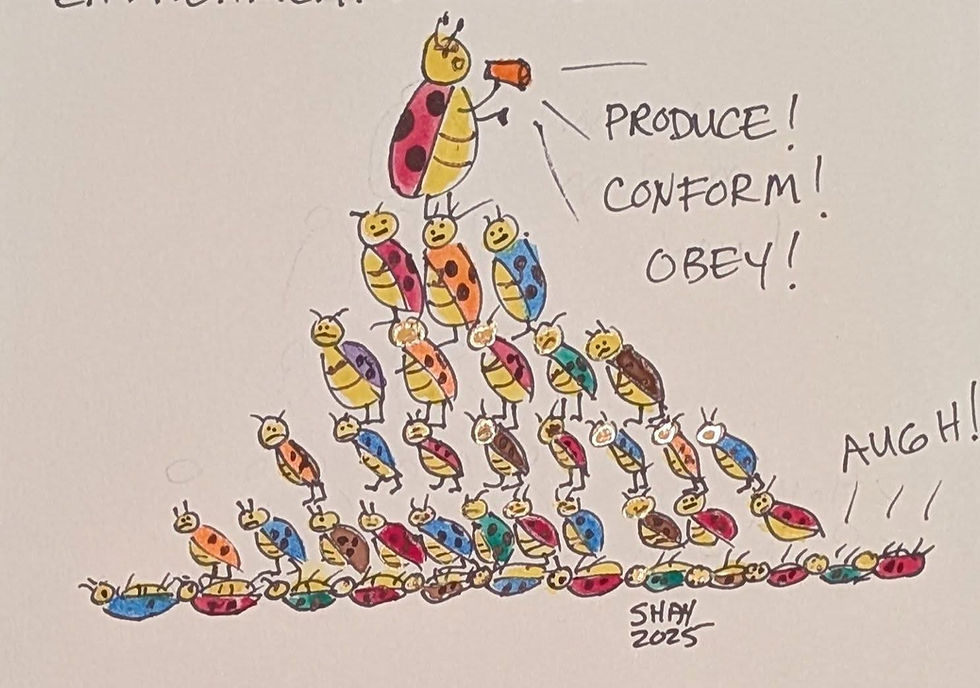
Most harm is produced and sustained by systems and structures, not by individual “bad actors.”
Individuals can cause acute harm, but systems create the conditions where harm becomes normalized, repeated, and invisible.
Policies, hierarchies, incentives, and bureaucratic rules shape behavior at scale. They reward certain actions, punish others, and make cruelty feel routine or justified.
Over time, people inside those systems often act in ways they would never choose in a relational, accountable context.
From an Interpersonal Neurobiology view, chronic stress does not usually come from one person alone. It comes from environments that keep people under surveillance, uncertainty, and threat with no reliable repair.
That kind of pressure changes how people relate, make decisions, and treat one another. It erodes empathy and narrows attention, especially in institutions built around control rather than care.
Focusing only on individuals lets systems off the hook. It frames harm as a personality problem instead of a design problem. If we want less harm, the work is not just better people, but different structures, different values, and conditions that support regulation, dignity, and shared responsibility.


Comments